

Conservation news
Michigan Rivers at a Crossroads: Critics Warn Consumers Energy Dam Deal Could Cost Taxpayers and Stall River Restorationhere
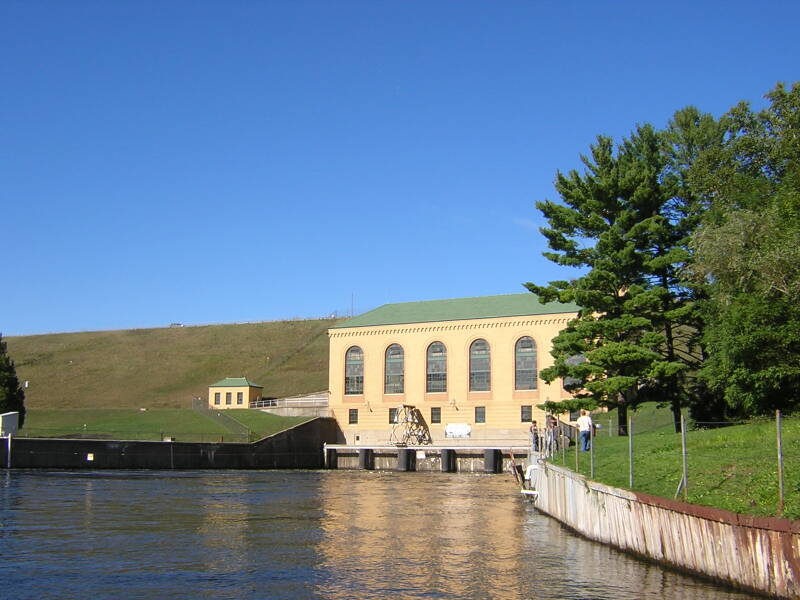
Michigan Rivers at a Crossroads: Critics Warn Consumers Energy Dam Deal Could Cost Taxpayers and Stall River Restoration
Across Michigan, a growing debate is unfolding over the future of aging hydroelectric dams owned by Consumers Energy — as environmental advocates, paddlers, and river restoration groups raise concerns about proposals involving private investment and long-term dam management agreements.
For decades, conservationists have warned that many of Michigan’s aging dams are nearing or exceeding their intended lifespan. Critics argue the infrastructure poses growing risks to river ecosystems, fish passage, public safety, and potentially taxpayers, who could be left covering long-term maintenance costs or emergency failure-related expenses.
Now, some environmental advocates say the push toward private investment in dam operations could slow long-awaited river restoration efforts across the state, shifting priorities away from ecological recovery and toward financial return models tied to energy production.
“Michigan has a rare opportunity to restore its rivers at scale,” said Brad De Young, cofounder of the West Michigan Kayaking Club and longtime river advocate. “A lot of these dams are in poor condition. People who are on these rivers regularly can see the impacts firsthand. The conversation should be about river restoration, dam removal where appropriate, watershed health, and public safety.”
De Young, who has spent years paddling Michigan rivers and organizing cleanup efforts, says many in the paddling and outdoor recreation community view dam removal as a pathway toward healthier ecosystems, improved fish habitat, and expanded public access to free-flowing rivers.
River Restoration vs. Private Investment Debate
Environmental advocates across the Great Lakes region have increasingly supported dam removal as aging infrastructure becomes more costly to maintain. Research from river restoration projects nationwide suggests that removing obsolete dams can restore natural river flow, improve water quality, reduce long-term liability, and revive native fish populations.
Critics of privatization argue that introducing private capital into dam management may prioritize profit-driven energy production over ecological restoration. They also warn that long-term agreements could limit public flexibility to pursue dam removal or watershed restoration in the future.
“This isn’t just about infrastructure — it’s about the future of Michigan’s rivers,” De Young said. “These waterways are public assets, and decisions made now will shape them for generations.”
West Michigan Kayaking Club and River Advocacy
Organizations like the West Michigan Kayaking Club have become increasingly active in documenting river conditions, promoting paddling access, and supporting conservation efforts across Michigan.
The West Michigan Kayaking Club focuses on:
- Michigan kayaking adventures and river exploration
- Great Lakes paddling and shoreline routes
- River cleanup events and volunteer stewardship
- Watershed restoration awareness and education
- Community paddling trips and outdoor recreation
- Advocacy for healthy, free-flowing Michigan rivers
Through organized paddles, cleanup events, and educational outreach, the club highlights both the recreational and ecological value of Michigan’s waterways — from inland rivers to the Great Lakes shoreline.
As debate continues over Michigan’s energy infrastructure and dam policy, paddlers, conservation groups, and river advocates say they intend to remain active in discussions surrounding river restoration, public access, and long-term watershed health.
For many in Michigan’s paddling community, the issue extends beyond energy policy — it is ultimately about what kind of rivers, ecosystems, and outdoor experiences future generations will inherit.