By Brad De Young | Michigan Watershed Watch
October 2, 2026
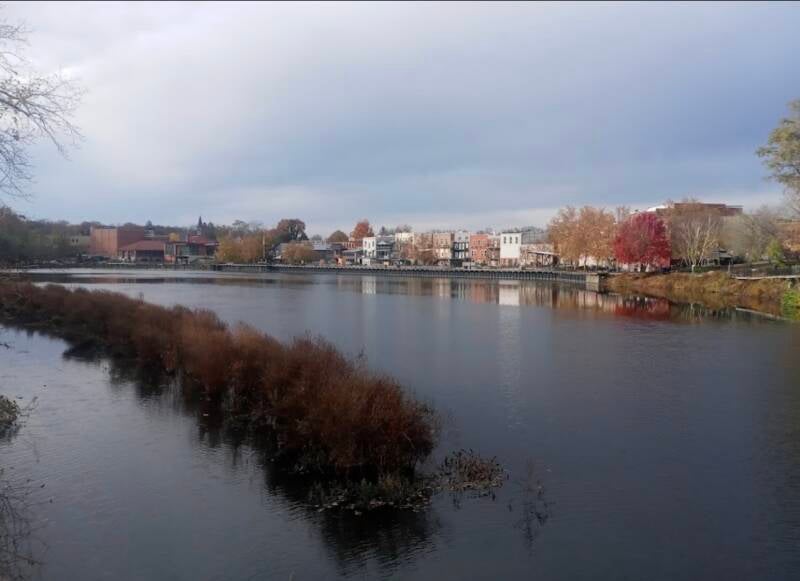
Michigan is committing millions of dollars to the cleanup and restoration of the Kalamazoo River, bringing new resources to a watershed that has endured decades of industrial contamination, habitat degradation and altered river conditions.
The investment is part of Michigan’s newly announced Reclaim the Rivers initiative, an $89 million commitment led by the Michigan Department of Environment, Great Lakes, and Energy (EGLE) and the Michigan Department of Natural Resources (DNR). The program is aimed at cleaning up contamination, restoring habitat and improving public access to some of Michigan’s most important waterways.
$25 Million Dedicated to the Kalamazoo River
Of the $89 million commitment, $25 million will be directed specifically toward restoration projects in the Kalamazoo River watershed.
According to the state, the funding will come from the Morrow Dam settlement and support sediment cleanup, habitat restoration and riverfront projects. Planned work includes projects involving dam removals and stream restoration in communities including Allegan, Otsego, Plainwell, Swan Creek and Trowbridge.
That is particularly significant because restoring a river is about much more than simply removing visible pollution.
Healthy rivers need functioning floodplains, connected streams, natural habitat, functioning fish passage and the ability to move sediment and water naturally. In many cases, that means confronting infrastructure that has fundamentally changed how a river functions.
Dam Removal Belongs in the Restoration Conversation
For Michigan Watershed Watch, the state’s acknowledgment that planned dam removals are part of the Kalamazoo River restoration strategy is especially important.
Dams can fragment aquatic habitat, alter water temperatures, trap sediment and interfere with fish movement. Removing obsolete or problematic dams can reconnect sections of river and allow natural processes to return.
The state says the Kalamazoo investment will include restoration projects as well as opportunities to expand boating access, protect land and strengthen fisheries along the river.
The additional statewide restoration fund created through Reclaim the Rivers is also expected to support dam removal, stream and wetland restoration, and fish and wildlife habitat improvements.
For communities along the Kalamazoo, that creates an opportunity to think beyond simply managing degraded river infrastructure and instead ask a larger question:
What should a healthy Kalamazoo River look like for the next generation?
Decades of Contamination
The Kalamazoo River has been affected by decades of industrial activity and pollution.
Michigan officials say the Detroit and Kalamazoo rivers have been impacted by contaminants including PCBs, polycyclic aromatic hydrocarbons (PAHs), mercury and other pollutants. Reclaim the Rivers is intended to build on decades of cleanup work involving state, federal, Tribal, local, nonprofit and private partners.
The new funding is therefore not starting from zero. Instead, the state describes it as an opportunity to accelerate and connect existing cleanup and restoration efforts.
That distinction matters.
Cleaning contaminated sediment can address an immediate environmental threat, but long-term river restoration also requires rebuilding habitat and restoring the physical functions of the river itself.
A River Is More Than Its Water Quality
Michigan’s rivers are ecological systems, transportation corridors, recreational destinations and economic assets.
The state says Reclaim the Rivers will support boating and fishing access, habitat improvements, public lands, trails and other recreational opportunities while addressing contamination.
For paddlers, anglers, hikers and communities along the Kalamazoo, those improvements could eventually mean greater access to a healthier and more connected river.
But restoration should not be measured simply by how much money is spent.
The real measure will be what happens on the ground — and in the water.
Are contaminated sediments removed or contained where necessary? Are obsolete dams eliminated? Are fish able to move through previously fragmented habitat? Are wetlands and floodplains restored? Are communities given meaningful access to the river? And are restoration projects designed to remain effective decades from now?
Those are the questions that should guide the investment.
Community Involvement Will Shape the Work
EGLE and DNR have established joint project teams for the Detroit and Kalamazoo watersheds.
The state says those teams will work with local governments, Tribes, community organizations, industry, nonprofits and residents to develop both short- and long-term restoration plans. Community input will help identify projects and determine how funding can have the greatest impact.
That community involvement will be critical.
People who live, work and recreate along the Kalamazoo River understand its problems firsthand. Paddlers see blockages and access problems. Anglers see changes in fish habitat. Property owners see flooding and erosion. Scientists and watershed organizations bring years of monitoring and technical expertise.
Successful restoration should bring those perspectives together.
Michigan Has an Opportunity
The Kalamazoo River has been through a great deal.
But rivers are remarkably resilient when the sources of pollution are addressed and natural processes are allowed to return.
The state’s $25 million commitment provides an opportunity to move beyond simply reacting to environmental problems and begin investing in a more comprehensive vision for the watershed.
That means cleaning up contamination.
It means restoring habitat.
It means reconnecting waterways.
It means improving public access.
And where dams no longer serve a necessary public purpose and removal is environmentally and economically appropriate, dam removal should remain an important restoration tool.
The goal should not simply be a cleaner Kalamazoo River.
The goal should be a functioning Kalamazoo River — one capable of supporting healthy fish and wildlife, recreation and the communities that depend upon it.
Michigan now has an opportunity to make that vision a reality.
West Michigan Kayaking Club: Advocates for Healthy Rivers
The West Michigan Kayaking Club is a growing West Michigan paddling and outdoor adventure community with nearly 2,000 members. Founded by Brad De Young and Tim Postma, the club brings together kayakers, canoeists, paddleboarders and outdoor enthusiasts who explore Michigan’s rivers, lakes and trails.
The club’s mission goes beyond recreation. Its members regularly experience Michigan’s waterways firsthand, giving them a unique perspective on river access, water quality, habitat, dams and the importance of protecting Michigan’s remaining free-flowing rivers.
The club supports river restoration, responsible recreation and the removal of obsolete dams when dam removal provides the appropriate path toward restoring a river’s natural function.
For paddlers, a healthy river isn’t simply something to look at from the shoreline. It is a living system to experience, understand and protect.
Learn more about the West Michigan Kayaking Club and its paddling community.