Michigan Watershed Watch | By Brad De Young
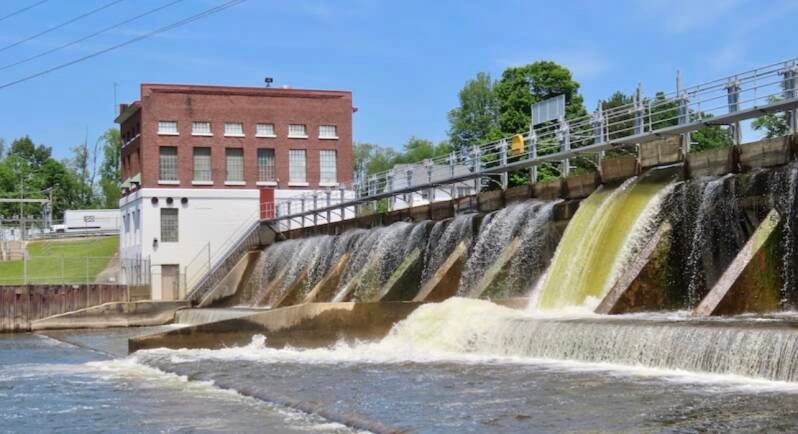
A safety-related drawdown at the Sturgis Hydroelectric Dam on the St. Joseph River could leave the reservoir substantially below its normal elevation until spring 2028 as the City of Sturgis prepares for major repairs to the dam’s earthen embankments.
The drawdown was ordered as an interim risk-reduction measure following the Federal Energy Regulatory Commission’s (FERC) evaluation of conditions at the dam. The affected impoundment is located upstream of the hydroelectric facility near Sturgis and extends approximately five miles upstream, toward the Mendon area. (Sturgis, MI)
The situation illustrates the long-term challenges communities face when maintaining aging dams while balancing public safety, infrastructure costs, river conditions and the interests of people who live and recreate along Michigan’s waterways.
Reservoir Lowered Nearly Three Feet
According to a September 2026 FERC notice, the City of Sturgis requested a temporary variance from the normal reservoir elevation requirements to facilitate dam-safety improvements.
The proposal calls for the impoundment to be lowered approximately 2.9 feet, to an elevation of 822.7 feet NGVD 29. The drawdown was scheduled to begin after Labor Day and be completed no later than September 15, 2026, with the water level lowered at a rate of no more than six inches per 24 hours. (Justia Regulations)
The city had originally been directed to complete a three-foot drawdown by July 15. Following additional inspection and monitoring, FERC granted an extension allowing the city to delay the drawdown until September. (Sturgis, MI)
The lower water level is expected to substantially change conditions throughout the impoundment.
The City of Sturgis previously advised residents with boats and other watercraft to make arrangements because the drawdown would significantly reduce water levels upstream of the dam. The city also noted that water levels downstream could temporarily rise during the drawdown process. (Sturgis, MI)
Why Is the Dam Being Repaired?
The drawdown is tied to concerns involving the dam’s earthen embankment.
FERC’s September filing identifies ongoing seepage at the toe of the main earthen embankment and stability issues involving the downstream slope.
The planned work is extensive. According to the federal filing, the project includes:
- Repairs to the main earthen embankment
- Raising the crest of a detached earthen embankment
- Raising the concrete spillway abutment wall
- Removing and replacing the existing grout mattress with riprap on the upstream embankment slope
- Addressing surface drainage near the toe of the dam and access road
- Constructing an ADA-compliant pathway to the St. Joseph River
The drawdown is intended to reduce risk while this work proceeds. (Justia Regulations)
The city has been monitoring conditions at the embankment for several years as part of its dam-safety reporting to FERC. Earlier this year, the city said it continued to conduct inspections and monitoring of the structure. (Watershed Voice)
A Reservoir That May Stay Low Until 2028
The most significant consequence for people who live, work and recreate around the reservoir could be the length of time the water remains below normal levels.
FERC’s September filing states that construction activities associated with the dam are not expected to be completed before October 15, 2027. The filing proposes keeping the impoundment at its lowered elevation until April 2028. (Justia Regulations)
That timeline means the Sturgis reservoir could experience an extended period of substantially altered conditions rather than a short-term construction drawdown.
The city previously explained that the reservoir cannot simply be refilled whenever construction is finished. Environmental conditions and seasonal restrictions must also be considered. The city’s public notice stated that refilling would not be permitted between October 15 and May 1. (Sturgis, MI)
What a Long-Term Drawdown Means for the River
A reservoir drawdown can expose areas that are normally underwater, alter access to the shoreline, change boating conditions and affect how people use the impoundment.
For paddlers, anglers, property owners and other river users, the difference between a normal reservoir and a drawdown of nearly three feet can be substantial.
The upstream reach affected by the Sturgis drawdown extends roughly five miles from the dam. Conditions in that area will change as water levels fall, potentially exposing sediment, shallow areas and portions of the former shoreline. (Sturgis, MI)
These changes also underscore an important distinction in discussions about dams: a temporary drawdown for dam safety is not the same thing as permanent dam removal or river restoration.
In this case, the stated purpose is to provide safer conditions for completing structural repairs and stabilizing the existing facility.
Michigan’s Aging Dam Infrastructure
The Sturgis project is another reminder that dams require continuing inspection, maintenance and investment long after their original construction.
The Sturgis hydroelectric facility dates back more than a century, and the current project involves multiple components of an aging dam system.
For watershed advocates, the issue raises broader questions about the long-term costs and responsibilities associated with maintaining dams on Michigan rivers.
When an embankment develops seepage or stability concerns, communities may face significant engineering, construction and environmental-management costs. Those expenses can become especially important when a dam no longer provides benefits that justify its long-term maintenance burden.
At Sturgis, however, the immediate priority is clear: federal regulators have required the reservoir drawdown as an interim risk-reduction measure while the city moves forward with repairs. (Justia Regulations)
A Changing St. Joseph River Landscape
The Sturgis drawdown provides an opportunity to observe how dramatically an impounded river can change when the water level is reduced.
It also provides a reminder that rivers are dynamic systems. The landscape visible during a drawdown can reveal portions of the river corridor that have been submerged behind the dam for generations.
For watershed organizations and river users, documenting those changes can provide valuable information about the relationship between the reservoir, the underlying river channel and surrounding habitat.
The coming construction period will also provide an opportunity to monitor how the river responds as the reservoir remains at a reduced elevation and, eventually, as the impoundment is allowed to refill.
What Comes Next
The current federal timeline calls for the reservoir to remain lowered while dam-safety improvements are completed, with construction not expected to be finished before October 2027 and the impoundment proposed to remain at the reduced elevation until April 2028. (Justia Regulations)
Those dates could change as construction, regulatory approvals and environmental conditions evolve.
For residents and river users, the most important issue will be continued communication about water levels, construction activity, access and changing conditions along the St. Joseph River.
The Sturgis Dam project is ultimately about more than a temporary change in water level. It is another example of the complicated decisions Michigan communities face when aging dams intersect with public safety, infrastructure costs and the health and use of the state’s rivers.
For River Users
Anyone planning to paddle, fish or otherwise access the Sturgis area should check current conditions and local notices before entering the river.
For paddlers looking for opportunities to explore Michigan’s waterways, the West Michigan Kayaking Club promotes adventure paddling, river exploration, hiking, camping and responsible outdoor recreation.
The club emphasizes preparation, communication, monitoring conditions and adapting plans when river conditions change. (West Michigan Kayaking Club)
Sources: City of Sturgis; Federal Energy Regulatory Commission;