Remembering a Fellow Paddler: A Lake Michigan Tragedy and a Call for Compassion and Safety
By Brad De Young, Co-Founder, West Michigan Kayaking Club
The Kayaker’s Journal | West Michigan Kayaking Club
September 23, 2026
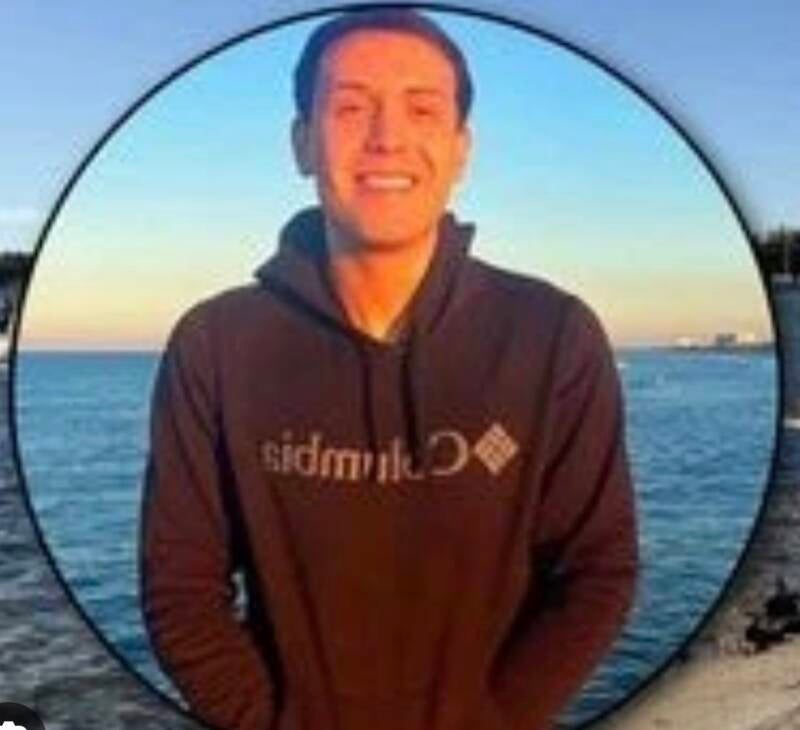
A 26-year-old kayaker is dead after his kayak overturned Tuesday evening in West Grand Traverse Bay, a heartbreaking loss for his family, friends and the broader paddling community.
The kayaker was identified as James Arthur Bottorff III, a current resident of Wilmington, North Carolina, who was originally from the Leelanau County area, according to authorities.
Leelanau County 911 received a report of an overturned kayak near Sunrise Beach in the Peshawbestown area at approximately 5 p.m. Tuesday. Witnesses reported seeing the man roughly 200 yards offshore.
Emergency responders quickly began search operations. The search continued into the evening before deteriorating water conditions and limited visibility forced rescuers to leave the water. Search operations resumed Wednesday morning, with multiple agencies involved.
Bottorff was located shortly after 11 a.m. Wednesday. Authorities confirmed his death. The circumstances surrounding the incident remain under investigation.
The Great Lakes Are Not Inland Lakes
For those of us who spend considerable time in kayaks, canoes and paddleboards throughout Michigan, tragedies like this are difficult to read about.
Lake Michigan can look deceptively calm from shore while conditions farther offshore can be considerably different.
Wind, waves, water temperature, currents and changing weather can combine to create extremely challenging conditions for a small paddlecraft.
One phenomenon paddlers sometimes refer to as a “washing machine” illustrates just how quickly conditions can become difficult.
A washing-machine effect occurs when waves, reflected water, currents or conflicting wave patterns create chaotic, confused water. Instead of a predictable rhythm of waves, a paddler may find the kayak being pushed and pulled in multiple directions at once. Maintaining balance, controlling the boat and performing a rescue can become significantly more difficult.
The term does not mean authorities have determined that washing-machine conditions contributed to this particular incident. The cause of the capsize has not been established publicly.
Preparation Matters
At West Michigan Kayaking Club, we believe preparation is part of the adventure.
That starts with wearing a properly fitted personal flotation device every time you are on the water.
Paddlers should also understand their equipment, check weather and water conditions before launching, carry appropriate safety gear and have a realistic understanding of their own skills and limitations.
Anyone venturing onto the Great Lakes should have a plan for what happens if the kayak overturns.
Knowing how to perform a self-rescue and assisted rescue can make a critical difference. Depending on the conditions and equipment, items such as a paddle float, bilge pump, communication device and appropriate clothing can also be important pieces of a paddler’s safety system.
And sometimes the most important decision is the simplest one:
Don’t launch.
If conditions exceed your experience, equipment or comfort level, there is no shame in staying on shore.
Respect the Water
Kayaking is one of the best ways to experience Michigan’s rivers, inland lakes and Great Lakes shoreline. It allows us to explore places that cannot be reached from a road or hiking trail.
But adventure requires respect for the environment we’re entering.
Lake Michigan is beautiful, but it is also a large and powerful body of water. A calm launch can turn into a very different experience as wind and waves build or conditions change.
Our Condolences
On behalf of West Michigan Kayaking Club, Tim Postma and I extend our deepest condolences to James Arthur Bottorff III’s family, friends and everyone affected by this tragedy.
We also want to recognize the emergency responders and agencies who took part in the search and recovery effort.
Every paddler who launches onto Michigan’s waters shares a connection with the larger paddling community. When tragedy strikes, we feel it.
Our hope is that this loss serves not only as a moment to mourn, but also as a reminder for every paddler to take water safety seriously.
Wear your PFD. Know your rescue skills. Understand the conditions. Respect the water.
And most importantly, make the decisions that help ensure you come home from the adventure.
Brad De Young
Co-Founder, West Michigan Kayaking Club
Wild Rivers. Rugged Trails. Real Adventure.