September 1, 2026
Michigan Watershed Watch / West Michigan Kayaking Club
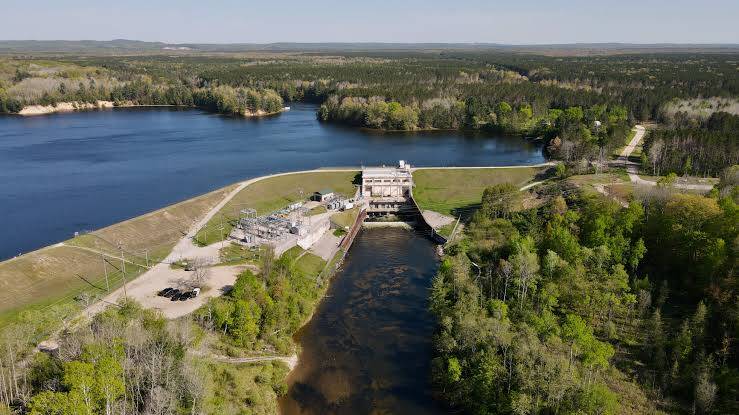
The Hodenpyl Dam on the Manistee River is 101 years old. Like the other 12 hydropower dams Consumers Energy still owns across Michigan, it is showing its age — sinkholes, compromised sheet piling, a suspected leaking retaining wall, and power-generating units that no longer work. This week, Consumers is preparing to temporarily cut or severely reduce flow below the dam so crews can inspect storm damage in the turbulent tailrace. Officials say the interruption will drop water levels by about a foot and last only days. River advocates say even a short shutoff is unacceptable.
That disagreement is not really about one inspection. It is about a larger truth: Michigan’s aging dam fleet, especially the Consumers Energy portfolio, is becoming a liability for public safety, river health, and the people who paddle, fish, and live downstream.
Aging infrastructure, deferred risk
Consumers operates 13 hydropower dams. Many, like Hodenpyl, date from the early 20th century. When the generating units fail — as they have at Hodenpyl — the only way to move water is through the spillway. That creates the very turbulence that now forces the company to shut the river off for inspections. In other words, mechanical failure is driving flow interruptions that harm fish, strand wildlife, and disrupt a popular stretch of the Manistee used by anglers, boaters, and the North Country Trail.
Company statements insist the dams “continue to operate safely today.” Yet the need for emergency-style inspections, the inability to use the turbines, and the long list of structural problems tell a different story. Across Michigan, roughly 100,000 people live downstream of old, deteriorating dams. Federal rules often shield detailed safety information from public view. When problems surface, communities and river users are left reacting after the fact.
Sale does not equal safety
Consumers wants to sell all 13 dams to a private equity firm for $1 each. The utility argues this is the cheapest path for ratepayers. A state administrative law judge has already called the proposal “highly problematic,” warning that new owners may lack the incentive or capital to make the hundreds of millions of dollars in repairs these structures need. Governor Whitmer has also opposed the sale. Handing aging, high-risk infrastructure to a firm focused on returns does not improve safety — it transfers risk onto the public and the rivers.
Rivers recover when dams come out
Keeping these dams in place locks in perpetual maintenance costs, recurring flow disruptions, fish passage barriers, and the ever-present possibility of failure. Removing them restores natural flow regimes, reconnects habitat, reduces long-term public liability, and opens stretches of river that paddlers, anglers, and wildlife can use without interruption. The Manistee is already a destination river. Freeing more of it from artificial control would make it safer and more resilient for everyone who depends on it.
River advocates have asked Consumers to maintain at least minimal flow during the upcoming inspection — for example by using temporary siphon pipes. The company has declined, citing timing and logistics. That response is consistent with a broader pattern: operational convenience for an aging asset ranked above continuous river health.
A clearer path forward
Michigan does not need to keep every old hydropower dam simply because it is already there. When a structure is past its design life, when its turbines no longer function reliably, when inspections require shutting off a river, and when the owner’s preferred solution is to sell it for a dollar, the responsible choice is removal — not indefinite patching or transfer of risk.
The upcoming flow reduction on the Manistee is a warning, not an isolated inconvenience. It is time for state regulators, elected officials, and the public to stop treating these dams as permanent fixtures and start treating them as the aging liabilities they are. Safe rivers and safe communities are better served by free-flowing water than by another generation of deferred maintenance.
The West Michigan Kayaking Club paddles the Manistee and many other Michigan rivers. We support healthy, free-flowing waterways and will continue to advocate for decisions that prioritize long-term river health and public safety over the preservation of obsolete infrastructure.
West Michigan Kayaking Club
Wild rivers, rugged trails, real adventure
Join the conversation and stay informed:
Website: https://www.westmichigankayakingclub.online/
Facebook group: https://www.facebook.com/groups/749998724166493/