
Michigan should stop pretending that transferring aging hydroelectric dams from one private owner to another is a permanent solution.
It isn’t.
A change in ownership does not make aging infrastructure younger. It does not eliminate structural deterioration, maintenance obligations, environmental impacts, relicensing requirements, emergency-response costs, or the possibility that taxpayers will ultimately be called upon when the economics no longer work.
The proposed transfer of Consumers Energy’s hydroelectric dams should therefore be viewed for what it is: an opportunity for Michigan to decide whether it wants to perpetuate a cycle of ownership transfers—or finally resolve the underlying problem.
The reasonable answer is dam removal.
If Consumers Energy has determined that these dams are no longer economically attractive enough to remain in its portfolio, Michigan should ask the obvious question:
Why should Michigan accept another private owner inheriting infrastructure that the current owner no longer wants to carry?
Consumers Energy has operated these facilities for decades. It knows their age, maintenance requirements, regulatory obligations and future capital needs.
If the company now believes transferring them to another operator is preferable to continuing to own them, Michigan regulators should not simply ask whether a buyer can be found.
They should ask whether the dams themselves have reached the end of their useful public life.
That is the question Michigan should be asking.
The issue isn’t who owns the dams next. The issue is whether these dams should remain in Michigan’s rivers at all.
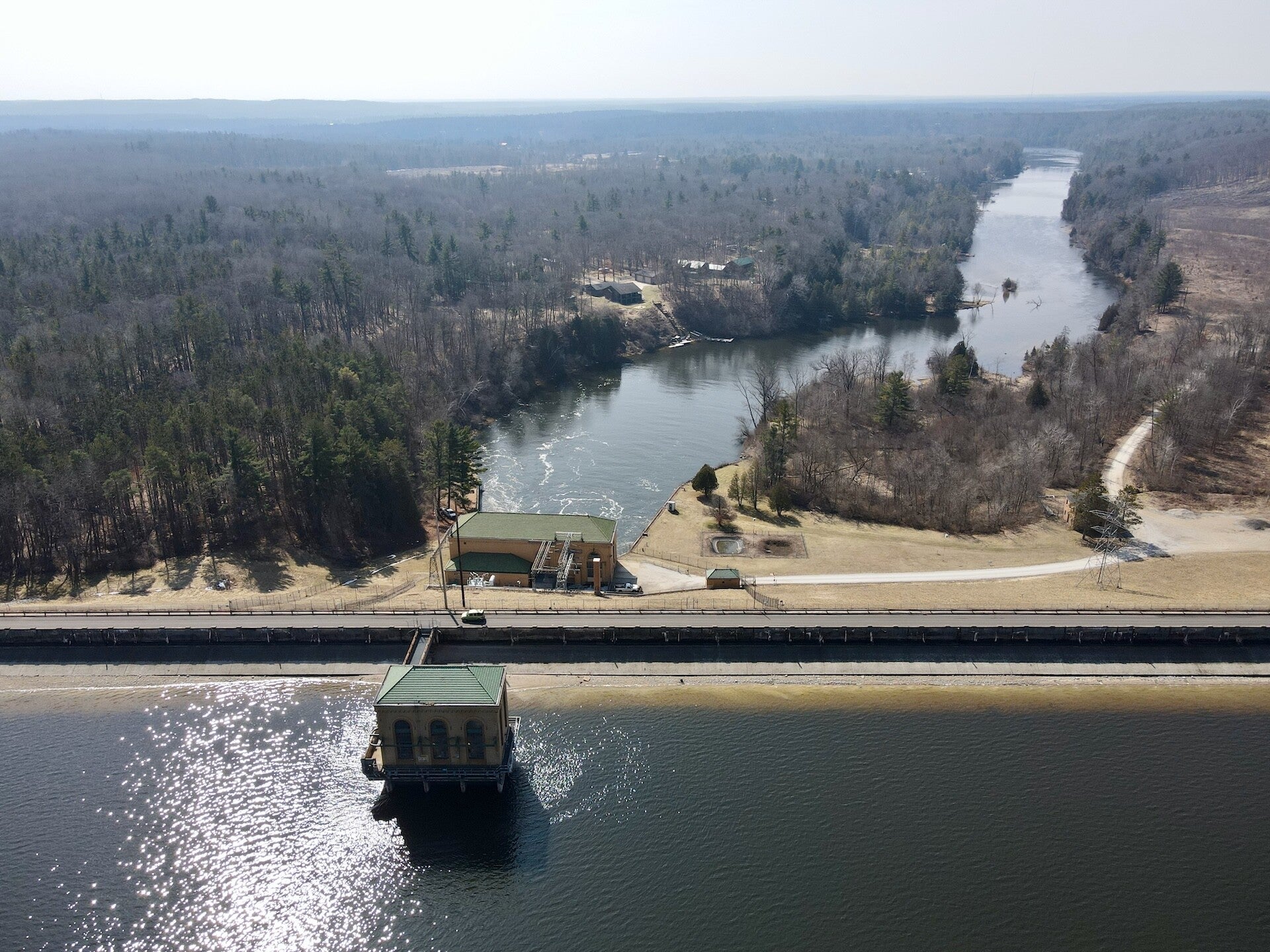
Who Pays When the Next Owner Can’t?
Moving ownership from Consumers Energy to a private operator doesn’t make the liability disappear.
It moves the liability.
Michigan should demand a complete accounting of who will ultimately pay for:
- Major structural repairs
- Dam-safety improvements
- Routine and deferred maintenance
- Emergency response
- Environmental mitigation
- Future relicensing requirements
- Catastrophic failure
- Property and infrastructure damage
- Eventual decommissioning
- Eventual dam removal
And the analysis cannot stop at today’s guarantees.
Michigan must examine whether those protections remain adequate 10, 20, 50 and 100 years from now.
What happens if the future owner determines that maintaining a particular dam is no longer financially viable?
What happens if the owner fails?
What happens if the dam is sold again?
What happens if repair costs explode?
What happens if the structure deteriorates faster than anticipated?
Who writes the check?
Michigan taxpayers should not be the default answer.
A promise that taxpayers won’t be responsible is not enough. Michigan needs legally enforceable financial protections sufficient to make that promise real.
And if those protections cannot guarantee that Michigan taxpayers will not ultimately inherit the liability, then transferring ownership is not solving the problem.
It is simply postponing it.
That is why Michigan must look beyond the purchase price and today’s contracts.
The state must calculate the full life-cycle cost and risk of keeping every dam in operation.
Only then can the public determine whether continued operation makes economic sense—or whether removal is the responsible alternative.
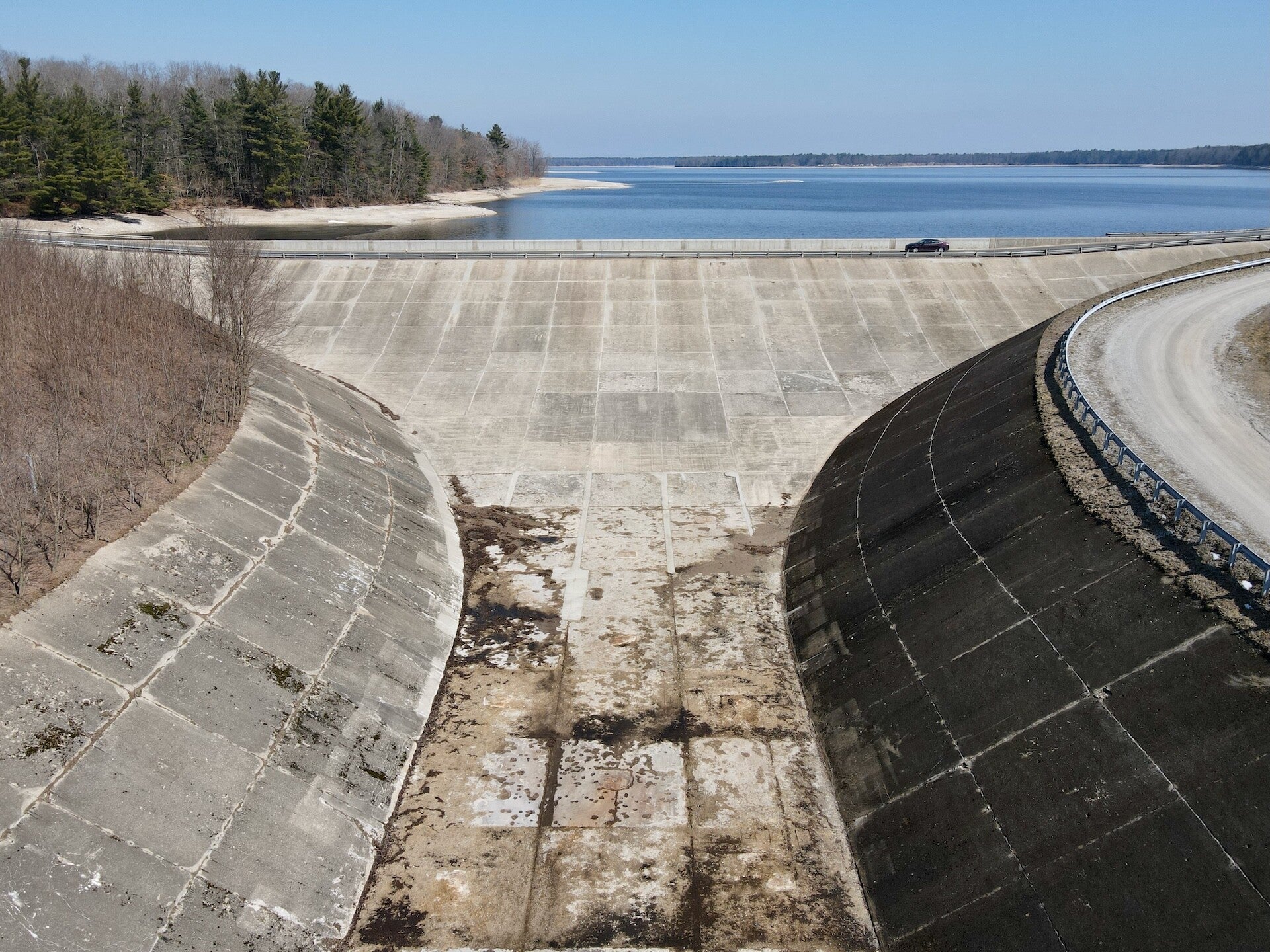
The Comparison Michigan Should Demand
Michigan should conduct a transparent, dam-by-dam comparison between continued operation and permanent removal.
The comparison should include at least six categories.
1. Full Life-Cycle Cost
Calculate the total projected cost of keeping each dam operating—including maintenance, major repairs, relicensing, environmental compliance, safety requirements, insurance, emergency preparedness and eventual decommissioning.
Then compare that figure with the cost of removal and river restoration.
2. Public-Safety Risk
Compare the documented condition and hazard potential of each structure with the safety profile of a restored free-flowing river.
The question isn’t whether a dam is safe today.
The question is whether Michigan can reasonably expect it to remain safe and financially sustainable throughout its remaining life.
3. Taxpayer Exposure
Identify every potential public liability.
If private revenues eventually fail to cover necessary repairs or removal, determine exactly who pays.
Michigan must know whether the financial protections being offered are actually sufficient to prevent taxpayers from inheriting the problem.
4. Energy Value
Determine how much electricity each dam actually produces and what that generation is worth.
Then compare that value against the full cost of maintaining the infrastructure.
If the energy benefit cannot justify the long-term cost and risk, continued operation becomes increasingly difficult to defend.
5. Environmental Cost
Measure what the dams do to the river.
That includes fish passage, habitat connectivity, sediment movement, water temperature, water quality and aquatic ecosystems.
Then compare those impacts with the documented benefits of restoring a free-flowing river.
6. Community and Recreational Value
Michigan should calculate the value of both alternatives.
What does the impoundment provide?
What could a restored river provide?
Fishing, paddling, tourism, habitat, public access and river-based recreation all have economic and social value.
The comparison must be comprehensive—not limited to electricity generation.
The central question is simple:
Which option provides Michigan with the greatest long-term public benefit at the lowest overall cost and risk?
If continued operation wins that comparison, prove it with the numbers.
If another private owner is the best option, prove that the owner has the financial capacity to carry every foreseeable liability.
But if removal provides the better long-term outcome, Michigan should stop transferring the problem and remove the dams.
Only removal permanently eliminates dam-related structural liability.
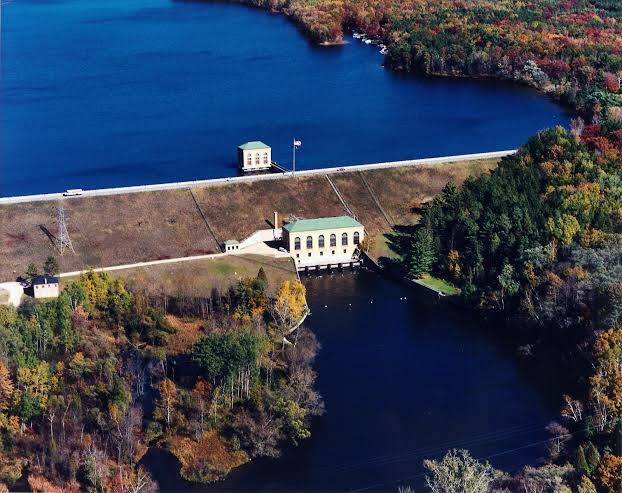
The Permanent Solution Is River Restoration
Michigan has accumulated decades of dams.
It should not accumulate decades more of deferred responsibility.
Every time an aging dam is transferred rather than removed, Michigan potentially moves the same fundamental problem farther into the future.
Eventually, somebody will have to pay for the dam’s final chapter.
The only question is who—and when.
Dam removal isn’t failure.
In the right circumstances, it is responsible infrastructure management.
Removing an obsolete dam can eliminate the need for future structural maintenance, eliminate the possibility of catastrophic dam failure, restore aquatic connectivity and allow the river to reclaim functions that were interrupted when the dam was constructed.
Instead of asking future generations to maintain an aging structure, Michigan can invest in restoring a natural resource that can continue providing public value indefinitely.
That is not kicking the can down the road.
That is taking the can off the road entirely.
Consumers Energy should not simply be allowed to walk away from these structures by finding another owner if the evidence demonstrates that permanent removal is the more responsible option.
And Michigan regulators should not approve a transaction merely because a private company is willing to take ownership.
The existence of a buyer does not prove that continued operation is in the public interest.
A long-term power contract can last years.
A dam can last decades.
A river lasts indefinitely.
Michigan’s decision should therefore be based on the longest possible horizon.
What option leaves Michigan in the strongest position 50 years from now?
If the answer is continued operation, prove it with the numbers.
If the answer is another private owner, prove that the owner has the financial capacity to carry every foreseeable liability.
But if the evidence shows that these aging dams provide insufficient public benefit to justify their full life-cycle costs, risks and environmental consequences, then there is no rational reason to perpetuate them.
Remove them. Restore the rivers. Eliminate the liability.
Michigan should not wait for the next owner to fail.
It should not wait for the next major repair bill.
It should not wait for a catastrophic failure.
And it should not wait until taxpayers are standing at the bottom of the liability chain asking how we got there.
The permanent solution is not another owner.
The permanent solution is restoring the river.
Consumers Energy has operated these dams for generations. If the company now believes they no longer belong in its long-term business model, Michigan should not simply become the referee in a transfer of aging liabilities.
Michigan should demand the end of the cycle.
Take the dams out where the evidence supports removal. Return the rivers to a free-flowing state. Protect Michigan’s taxpayers. And leave future generations a functioning river—not another aging liability to inherit.
Michigan Watershed Watch is an independent conservation-focused publication examining Michigan’s rivers, dams, water resources and public policy.

If you’re looking for more than a casual float and want to explore Michigan’s rivers, build your paddling skills, and connect with a community of outdoor adventurers, join West Michigan Kayaking Club. The club brings together paddlers for river expeditions, endurance paddles, hiking, camping, wilderness adventures, and year-round outdoor experiences across Michigan. Learn more and see upcoming adventures at West Michigan Kayaking Club, and connect with fellow paddlers through the official West Michigan Kayaking Club Facebook Group. Wild Rivers. Rugged Trails. Real Adventure.