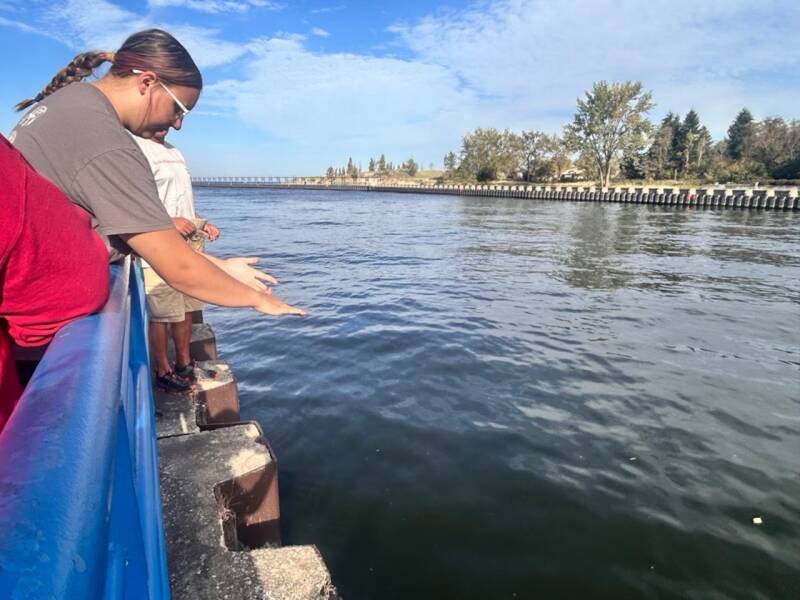
More Than a Journey Downriver: Potawatomi Communities Honor Their Ancestral Connection to Water
By Brad D. De Young, Founder of West Michigan Kayaking Club
The Kayakers Journal | October 2026
There are journeys we take for recreation, journeys we take for the challenge, and journeys that carry a meaning far greater than the miles traveled.
The 130-mile kayak journey along the St. Joseph River completed by members of the Nottawaseppi Huron Band of the Potawatomi and the Pokagon Band of Potawatomi belongs to that last category. Celebrating Indigenous Peoples’ Day, the journey honored the enduring relationship between Potawatomi communities and the waterways that have shaped their history, culture, identity, and connection to the land.
For those of us who spend our lives exploring Michigan’s rivers, it is a powerful reminder that a river is never simply a route from one place to another. It is a living connection between people, communities, and generations.
A River That Carries History
The St. Joseph River winds through southwestern Michigan and northern Indiana before reaching Lake Michigan. Long before modern roads, bridges, and towns transformed the landscape, waterways served as essential corridors for travel, trade, communication, and community life.
For Indigenous peoples, rivers were not merely geographic features. They were part of a much larger relationship with the natural world, rooted in tradition, responsibility, and generations of lived experience.
The Potawatomi people have deep ancestral ties to the Great Lakes region. Their relationship with the land and water predates the boundaries and infrastructure that define the region today. A journey along the St. Joseph River therefore carries significance beyond its distance. It follows a waterway connected to the broader history of the people who have called this region home.
A 130-mile paddle requires commitment, preparation, and perseverance. But when undertaken to honor ancestral connections, those miles become something more: an opportunity to remember, reflect, and carry cultural knowledge forward.
The Meaning of Indigenous Peoples’ Day
Indigenous Peoples’ Day offers an opportunity to recognize the histories, cultures, resilience, and continuing contributions of Indigenous communities. It also invites us to look at familiar places through a wider lens.
Many Michiganders know the St. Joseph River as a destination for fishing, paddling, camping, or spending time outdoors. Yet the river’s story extends far beyond modern recreation. Its waters have connected people to their communities and homelands for generations.
By undertaking this journey together, members of the two Potawatomi bands brought attention to those enduring connections. Their paddle served as a reminder that Indigenous history is not confined to the past. Indigenous nations remain vibrant communities whose cultures, traditions, and relationships with the natural world continue today.
The journey also illustrates how time on the water can create space for reflection. Moving with the current, navigating changing conditions, and traveling through the landscape at paddling speed offers a perspective that is difficult to experience from behind a windshield. The river reveals itself gradually, mile by mile, while its broader story unfolds through the people and places connected to it.
Reconnecting Through Paddling
One of the most meaningful aspects of this journey was the opportunity to bring the two Potawatomi communities together through a shared experience on the water.
The expedition, known as Paddle to Pokagon, celebrated the relationship between the sister tribes and highlighted the importance of the St. Joseph River watershed. The journey began October 3, 2026, and culminated around Indigenous Peoples’ Day on October 12, with seven paddlers participating in the nearly 130-mile expedition.
For the participants, the miles represented more than a physical challenge. They offered an opportunity to honor cultural traditions, strengthen relationships, and draw attention to the enduring connections between Indigenous communities and their ancestral waterways.
For paddlers, the physical demands of a multiday expedition are familiar. Long days on the water require preparation, sound judgment, adaptability, and respect for changing conditions. But an expedition also offers something that cannot be measured in mileage: the chance to build relationships and strengthen a shared sense of purpose.
In this case, paddling became a means of honoring a connection that existed long before the modern recreational kayaking community.
Protecting the Waters That Connect Us
The significance of Paddle to Pokagon extends beyond cultural recognition. The journey also presents an opportunity to encourage partnerships focused on conservation, responsible land stewardship, and protecting the region’s natural resources for future generations.
That goal should resonate with anyone who depends on Michigan’s rivers for recreation, wildlife habitat, clean water, or the simple opportunity to spend time outdoors.
As the founder of West Michigan Kayaking Club, I believe exploring our waterways comes with a responsibility to understand and protect them. We are fortunate to have access to rivers that offer extraordinary opportunities for adventure, but those opportunities depend on the health of the ecosystems surrounding us.
River conservation requires more than enjoying a beautiful stretch of water. It means paying attention to pollution, habitat loss, barriers to fish migration, shoreline development, and the long-term effects of human activity. It means recognizing that the river we paddle today is part of a larger watershed that connects communities far upstream and downstream.
Indigenous communities have longstanding relationships with these landscapes, and their perspectives can contribute meaningfully to conversations about water protection and environmental stewardship. Building genuine partnerships means listening to tribal communities, respecting their sovereignty, and recognizing that their knowledge and priorities deserve a place in decisions affecting shared waterways.
The St. Joseph River does not exist in isolation. Its health is tied to the land, tributaries, wetlands, communities, and Lake Michigan beyond its mouth. Protecting it is a responsibility that crosses political boundaries and brings together people with different backgrounds and experiences.
A Legacy That Continues Beyond the Last Mile
When a paddling expedition ends, the boats come out of the water, the gear is packed away, and the participants return home. Yet the meaning of a journey like this does not end at the takeout.
The nearly 130-mile Paddle to Pokagon expedition offered a tangible expression of friendship, cultural continuity, and the enduring importance of water. It demonstrated how a river can bring people together while reminding those who travel it that its significance reaches far beyond recreation.
For Indigenous Peoples’ Day, that is a message worth carrying forward.
Michigan’s waterways hold many stories. Some are recorded in maps and historical documents. Others live through the traditions, experiences, and continuing relationships of the people connected to these places. Taking the time to learn those stories enriches our understanding of the rivers we love.
We do not have to share the same background or traditions to recognize the importance of clean water, healthy rivers, and meaningful relationships with the natural world. We do, however, have a responsibility to approach those relationships with humility and respect.
The next time you launch a kayak on the St. Joseph River—or any river in Michigan—take a moment to consider the history flowing beneath your boat. Think about the generations who traveled these waters before modern recreation existed, the communities that remain connected to them, and the work required to ensure that future generations can continue to experience them.
A river is more than a line on a map. It is a connection between past and present, between communities and the natural world, and between the people we are today and those who will inherit these waters tomorrow.
Sometimes, the most important journeys are not about how far we paddle. They are about what we learn along the way.
Brad D. De Young
Founder, West Michigan Kayaking Club
Explore more adventures, river stories, and paddling community news at West Michigan Kayaking Club.
Wild Rivers. Rugged Trails. Real Adventure.
#TheKayakersJournal #WestMichiganKayakingClub #IndigenousPeoplesDay #StJosephRiver #Potawatomi #MichiganRivers #RiverConservation #Kayaking
Keep Exploring

Add comment
Comments