Michigan’s Natural Treasures Are Worth Protecting: DNR Land Acquisitions Strengthen Conservation and Public Access
By Brad De Young
Cofounder, West Michigan Kayaking Club
Michigan Watershed Watch
Michigan’s greatest natural treasures are not always found in the places that attract the most attention. Sometimes, they are tucked away in quiet wetlands, wooded islands, marshes, and undeveloped shorelines where wildlife thrives and water moves through the landscape largely undisturbed.
That is why land conservation matters.
Recent land transactions by the Michigan Department of Natural Resources (DNR) add acreage to the Beaver Island State Wildlife Research Area and expand public water access at Leelanau State Park. These transactions demonstrate how strategic land management can strengthen wildlife habitat, protect natural communities, and preserve opportunities for future generations to experience Michigan’s outdoors.
According to the DNR’s third-quarter 2026 land transaction highlights, the department acquired a 40-acre parcel in Charlevoix County for the Beaver Island State Wildlife Research Area. The property includes lowland deciduous forest, hemlock, and black spruce habitat. The DNR also completed a land exchange involving Leelanau Township that adds land along Mud Lake to Leelanau State Park, improving access for water-based recreation.
These may seem like modest transactions on paper. Their long-term value, however, extends well beyond the acreage involved.
Conservation Is About More Than the Number of Acres
Protecting land is not simply a matter of drawing boundaries on a map. The location of a property, its relationship to surrounding habitat, and its connection to water systems can make the difference between an isolated patch of protected land and a functioning natural landscape.
The Beaver Island acquisition helps consolidate state-managed property within an existing wildlife research area. Connected properties can improve management efficiency and strengthen opportunities to protect wildlife and natural communities.
Wetlands and lowland forests are essential components of healthy watersheds. They help retain water, support biodiversity, provide wildlife habitat, and influence how water moves across the landscape. Protecting these environments helps preserve the ecological systems that sustain Michigan’s rivers, inland lakes, and Great Lakes shorelines.
For those of us who spend our time on Michigan’s waterways, these connections are impossible to ignore.
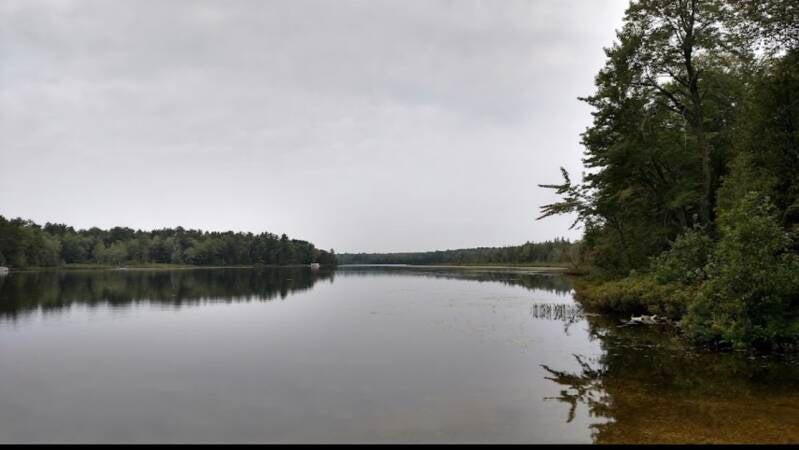
As the cofounder of West Michigan Kayaking Club, I spend considerable time exploring Michigan’s rivers and lakes and appreciating the natural landscapes surrounding them. The experience of paddling through a quiet marsh or along a forested shoreline offers a direct reminder of what is at stake when natural habitats are lost.
Conservation is not an abstract issue for people who spend time outdoors. It is something we can see, experience, and potentially lose.
Public Access and Conservation Should Work Together
The Leelanau Township exchange illustrates another important point: protecting natural resources and providing responsible public access do not have to be competing goals.
The DNR exchanged 14.41 acres of state land for 15.32 acres offered by the township, including property along Mud Lake. The acquired acreage will be managed as part of Leelanau State Park and adds public water access for water-based recreation.
Access to Michigan’s natural resources is an important public benefit. Kayakers, anglers, hikers, birdwatchers, hunters, and families all benefit when thoughtfully managed public lands allow them to experience the outdoors.
But access must be balanced with stewardship. Sensitive shorelines, wetlands, and wildlife habitats can be damaged when recreation is unmanaged or when development eliminates natural buffers. Good conservation planning considers both how people can enjoy a place and how that place can remain healthy over time.
Public access should not mean sacrificing the very natural features that make a destination worth visiting.
For Michigan’s outdoor recreation community, preserving access to waterways is especially important. A river or lake may appear publicly accessible from the water, but safe and responsible recreation often depends on nearby land, appropriate access points, and intact natural shorelines. Protecting these connections benefits both people and the environment.
Michigan Cannot Afford to Take Its Natural Heritage for Granted
Michigan’s rivers, lakes, wetlands, and forests are among the state’s greatest assets. Yet these resources are not guaranteed to remain intact.
Once wetlands are drained, shorelines developed, and critical habitat fragmented, restoring those systems can be difficult and expensive. Protecting land before it is lost is often one of the most effective ways to preserve its ecological value.
That is why sustained investment in conservation deserves public attention. Land acquisitions should be evaluated not merely by their immediate cost, but by the natural resources they protect, the recreational opportunities they preserve, and the long-term benefits they provide to Michigan residents.
The public also deserves transparency about how these transactions are funded, what restrictions apply to acquired properties, and how the land will be managed. Responsible stewardship means both protecting resources and demonstrating that public investments deliver meaningful benefits.
Land conservation is only one part of the broader effort to protect Michigan’s waters. Pollution prevention, water-quality monitoring, wetland restoration, responsible development, and accountability for environmental damage remain essential. Acquiring property cannot solve every watershed problem, but it can prevent important habitats from being lost in the first place.
Conservation Is a Responsibility We Share
The DNR’s recent transactions are encouraging examples of how targeted land management can advance conservation while preserving outdoor opportunities. Their importance extends beyond the immediate properties involved.
Every strategically protected parcel can contribute to a larger network of public lands, wildlife habitat, and natural spaces. When these areas are managed responsibly, they help sustain the ecological health and outdoor traditions that make Michigan special.
Organizations and communities that value Michigan’s natural resources have a role to play, too. Whether through responsible recreation, environmental education, watershed advocacy, or public engagement, we can help ensure that conservation remains a priority.
West Michigan Kayaking Club brings people together to explore Michigan’s waterways and outdoor landscapes. Our community’s connection to these places reinforces a simple principle: the opportunity to experience Michigan’s natural beauty depends on protecting it.
Readers interested in learning more about the club and its outdoor community can visit the West Michigan Kayaking Club website or connect with paddlers through the West Michigan Kayaking Club Facebook group.
Michigan’s natural heritage belongs not only to those of us who enjoy it today, but also to the generations who will inherit our decisions. The wetlands we preserve, the shorelines we protect, and the public lands we maintain will shape what remains available to our children and grandchildren.
We should measure success not simply by how much land the state owns, but by whether Michigan’s ecosystems remain healthy, its waters remain clean, and its people retain meaningful opportunities to experience the outdoors.
Conservation is not just about protecting a place as it exists today. It is about ensuring that the place still has something worth protecting tomorrow.
⸻
Brad De Young is the cofounder of West Michigan Kayaking Club and a contributor to Michigan Watershed Watch, writing about Michigan’s waterways, conservation, outdoor recreation, and the importance of protecting the state’s natural resources.
West Michigan Kayaking Club
WILD RIVERS.RUGGED TRAILS.REAL ADVENTURE.
Sources and Further Reading
#MichiganWatershedWatch #WestMichiganKayakingClub #MichiganDNR #LandConservation #WetlandProtection #MichiganOutdoors #WatershedProtection
Keep Exploring

Add comment
Comments