By Brad De Young, Cofounder of West Michigan Kayaking Club
Michigan Watershed Watch | October 15, 2026
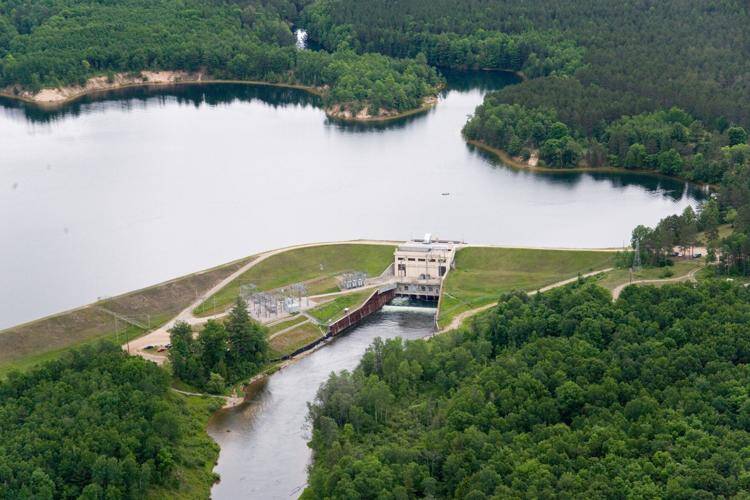
Sinkholes, suspected leakage and damage following severe flooding raise serious questions about the future of Hodenpyl Dam. Michigan should stop treating dam removal as a last resort and begin evaluating it as a responsible path toward protecting public safety, restoring the Manistee River and ending the cycle of costly repairs to aging infrastructure.
The Manistee River is one of Michigan’s great natural treasures. Its cold, clear waters wind through forests, support fish and wildlife, and provide some of the finest paddling and fishing opportunities in the state. For generations, people have come to the river for its beauty, its wildlife and the opportunity to experience a landscape that remains deeply connected to Michigan’s natural heritage.
As cofounder of West Michigan Kayaking Club, I have spent countless hours exploring Michigan’s waterways. I have seen firsthand what makes these rivers special and why protecting them matters. They are not simply places to recreate. They are living ecosystems that deserve thoughtful stewardship and protection for future generations.
That is why the reported problems at Hodenpyl Dam near Mesick deserve our attention.
In July 2026, reports emerged of sinkholes, compromised sheet piling and suspected leakage involving a submerged retaining wall at the century-old hydroelectric facility. The problems followed severe spring flooding that placed extraordinary stress on infrastructure throughout Michigan. Consumers Energy notified regulators that inspecting submerged structures could require temporarily changing or interrupting water flowing through the facility.
These reports do not establish that Hodenpyl Dam is on the verge of failure. The exact cause and severity of the reported problems must be determined through engineering investigations. But the situation raises an unavoidable question: Why should Michigan continue investing in aging dam infrastructure without seriously examining whether removing these structures would provide a better future for our rivers and communities?
We should not wait for a catastrophic failure before considering a different approach.
Sinkholes and Suspected Leakage Cannot Be Ignored
Sinkholes around dam infrastructure can have several causes, including erosion, soil movement or underground voids. Suspected leakage can also range from a manageable issue to a sign of more significant structural or foundation problems. The actual risks depend on the location, extent and cause of the damage.
That is precisely why the reported conditions at Hodenpyl deserve a thorough, independent assessment.
Investigators must determine whether water is moving through areas where it should not, whether soil is being displaced, whether the damage is isolated and what repairs may be required. The public should receive a clear explanation of the findings and what they mean for the dam’s long-term safety.
But there is a larger issue here.
Even if engineers determine that Hodenpyl can be repaired and safely operated for the foreseeable future, that does not automatically mean continued operation is the best decision. A structure can be repairable without being the most sensible long-term investment.
Michigan must consider the full picture: the cost of repairs, future maintenance obligations, environmental consequences, public safety and the potential benefits of restoring the river.
The goal should not simply be to keep an aging dam standing. The goal should be to determine what serves the public and the river best over the next 50 or 100 years.
The Manistee River Should Not Have to Pay the Price
One of the most concerning aspects of the Hodenpyl situation is the potential conflict between maintaining the dam and protecting the river downstream.
Reports in July raised concerns about how inspection-related changes in water flow could affect aquatic life, including trout stocked downstream. That illustrates a difficult reality: When dam infrastructure requires inspection, repair or intervention, the river and its wildlife may be affected by the work.
Fish depend on appropriate water levels, currents, temperatures and habitat. Sudden changes in flow can create additional challenges for aquatic organisms, particularly when conditions are already stressful.
Dams also change rivers over the long term. They interrupt the natural movement of water and sediment, create impoundments where free-flowing habitat once existed, and can interfere with fish movement and ecological connectivity. The extent of these impacts varies by location, but they must be considered when deciding whether a dam should remain in operation.
The Manistee River is too important to treat these consequences as secondary concerns.
As paddlers, anglers and outdoor enthusiasts, we see the value of a healthy river in ways that go beyond a hydroelectric facility’s output. We see wildlife, changing seasons, natural currents and the connections between the river and the surrounding landscape.
Michigan must weigh those values honestly.
A Century of Operation Is Not a Lifetime Guarantee
Hodenpyl Dam has been part of the Manistee River landscape since the 1920s. Its history and contribution to electricity generation deserve acknowledgment, but its age should not exempt it from a serious evaluation of its future.
Michigan faces a broader challenge with aging hydroelectric infrastructure. Maintaining these facilities requires continuing investment, and ownership changes do not eliminate the need for repairs, inspections or long-term safety obligations.
The public deserves to know how much it will cost to maintain Hodenpyl over the coming decades. What major repairs are anticipated? How long can the structure reasonably be expected to operate? What additional environmental mitigation will be required? How would those costs compare with decommissioning and removal?
Those are not anti-hydropower questions. They are responsible questions about public resources and long-term planning.
If keeping Hodenpyl operational requires increasingly expensive repairs while the river continues to experience ecological impacts, Michigan must be willing to consider whether that investment is justified.
We should not assume that because a dam has existed for a century, it must remain for another.
Dam Removal Should Be a Serious Goal, Not a Last Resort
I believe Michigan should begin planning for the eventual removal of Hodenpyl Dam.
That position is not based on an assumption that the structure is about to collapse. It is based on the need to evaluate the dam’s long-term value against its financial, environmental and safety obligations.
Removing a dam of this size would be a substantial undertaking. Hodenpyl creates a large impoundment, and its removal would require careful engineering, sediment management, water-quality monitoring and planning for downstream conditions. The effects on surrounding property, recreation, fisheries and electricity generation would also need to be assessed.
These are serious challenges. They require planning, scientific analysis and public involvement.
But they are not reasons to dismiss removal before examining it.
Dam removal can restore river connectivity, improve access to habitat and allow waterways to resume more natural processes. Depending on local conditions, it can also provide long-term ecological benefits that cannot be achieved simply by repairing concrete, steel or other infrastructure.
For Hodenpyl, the right approach is to compare continued operation, major rehabilitation and removal using transparent assumptions and independent expertise.
If removal can provide a safer, more sustainable and economically responsible future, Michigan should have the courage to pursue it.
A river is not a failed hydroelectric project when it flows freely. It is a living natural resource with value of its own.
What Would Removal Mean for the Manistee River?
Removing Hodenpyl would not instantly return the river to its historical condition. The transition would require careful planning to prevent avoidable harm.
Sediment accumulated behind the dam would need to be evaluated for volume, composition and potential contamination. Engineers and scientists would have to determine how that material could be managed safely, how water quality could be protected and how downstream habitats might respond.
The effects on the impoundment, nearby property owners, recreation and local communities would also need to be considered. Any loss of hydroelectric generation would have to be addressed through a realistic energy plan.
At the same time, a removal feasibility study should examine what the river could gain: improved connectivity, the return of more natural flow patterns, access to upstream and downstream habitat, and opportunities to restore ecological processes.
The purpose should be to develop a practical restoration plan, not to promise benefits before the science supports them.
Michigan should bring together independent engineers, fisheries biologists, hydrologists, conservation organizations, local governments, property owners and river users to evaluate the possibilities.
The decision must be based on evidence. But the evidence must address removal as a genuine option.
The Public Deserves Answers About Dam Safety
The reported sinkholes, compromised sheet piling and suspected leakage raise questions that deserve straightforward answers from Consumers Energy and the responsible regulatory agencies.
What did the inspections find? Was the suspected leakage confirmed? What caused the sinkholes? Are repairs necessary? What independent engineering assessments have been completed? What is the projected cost of maintaining the dam over the next several decades?
The public should also understand what emergency plans are in place, what additional monitoring is required and how the river will be protected during future inspections and repairs.
Security-sensitive technical details may need to remain confidential. That should not prevent agencies and the dam owner from publishing an accessible summary of the findings and explaining the steps being taken to address identified problems.
Transparency is essential to public confidence.
People who live near the river, fish its waters, paddle its current and depend on its ecological health have a legitimate interest in decisions affecting its future.
They should not have to rely on scattered reports to understand the condition of a major structure on one of Michigan’s important rivers.
Michigan Should Take Six Steps Now
To move this issue forward responsibly, Michigan should:
1. Complete an independent engineering assessment. Investigate the reported sinkholes, suspected leakage, compromised sheet piling and effects of the 2026 flooding.
2. Publish the findings. Provide the public with a clear summary of identified deficiencies, necessary repairs, continuing risks and regulatory requirements.
3. Compare the full costs of every option. Evaluate continued operation, major rehabilitation and removal over a realistic long-term period, including maintenance, environmental mitigation and electricity replacement.
4. Commission a dam-removal feasibility study. Examine sediment management, downstream water quality, flood conditions, fisheries, property impacts and river-restoration opportunities.
5. Protect the river during any work. Require plans to minimize harm to fish and other aquatic life and maintain safe downstream flows wherever feasible.
6. Involve the public. Give local residents, paddlers, anglers, conservation groups, scientists and affected communities a meaningful opportunity to participate in decisions about Hodenpyl’s future.
These steps would move Michigan beyond reacting to each new problem and toward a comprehensive decision about the dam’s long-term role.
It Is Time to Plan for a Future Without Hodenpyl Dam
A century of electricity generation is part of Hodenpyl’s history. But history alone is not a sufficient reason to maintain an aging structure indefinitely.
The reported damage following the 2026 floods should serve as an opportunity to ask whether Michigan is making the best long-term decisions for its infrastructure and its rivers.
There is no verified evidence in the reporting discussed here that Hodenpyl Dam is on the verge of catastrophic failure. That distinction matters. Responsible advocacy must be grounded in facts, not fear.
But the absence of proof of imminent failure does not mean Michigan should wait until a crisis occurs before considering removal.
We have an opportunity to investigate the structure, examine the costs, evaluate the environmental consequences and determine whether a restored, more naturally flowing Manistee River would offer greater long-term value to Michigan.
As cofounder of West Michigan Kayaking Club, I believe protecting our waterways requires more than enjoying them on a beautiful afternoon. It requires speaking up when decisions about their future are being made.
Our rivers support wildlife, recreation, tourism and the quality of life that makes Michigan special. They deserve to be considered in their own right, not merely as resources to be managed around aging infrastructure.
Michigan should begin planning for the removal of Hodenpyl Dam. That process must be supported by independent engineering, responsible sediment management, sound science and meaningful public participation. It must also include a practical plan for addressing electricity generation and protecting affected communities.
The objective should be clear: determine whether removing the dam offers a safer, more sustainable and more beneficial future for the Manistee River, and be prepared to act if the evidence supports that conclusion.
We should not wait for another major flood, another expensive emergency repair or a preventable disaster to begin asking these questions.
The Manistee River has endured a century of alteration. It deserves a future in which restoration is treated as a real possibility.
Our rivers are worth more than the cost of keeping an aging dam operational. It is time for Michigan to take a serious look at bringing the Manistee River back toward a more natural state.
Brad De Young
Cofounder, West Michigan Kayaking Club
Michigan Watershed Watch
West Michigan Kayaking Club: https://www.westmichigankayakingclub.online
Wild Rivers. Rugged Trails. Real Adventure.
Keep Exploring
Sand, Pine and Six Dams: Paddling the AuSable to Lake Huron
Consumers Energy's Dam Strategy: Public Safety Must Not Become a Bargaining Chip

Add comment
Comments